

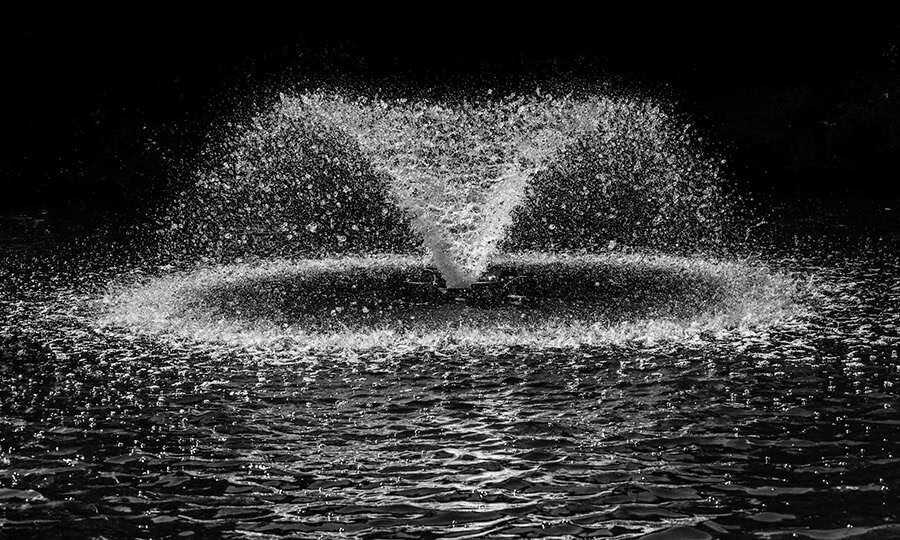
Submersible fountain pumps create water movement and aeration for pond health. Proper sizing, installation, and regular maintenance prevent common failures. Choose based on pond volume, head height, and circulation needs rather than features alone.
Key Takeaways
- Calculate pond gallons and select a pump that cycles water 1-2 times per hour, factoring in head height, which reduces flow rate
- Elevate pumps 6-12 inches off the pond bottom using bricks to prevent debris damage and extend equipment life
- Clean intake screens weekly during debris seasons and inspect impellers monthly to maintain spray performance. Usually, if there is a reduction in flow, either debris has collected around the intake or debris is concentrated inside the impeller cavity.
- Use GFCI outlets for electrical safety and remove pumps before hard freezes to prevent ice damage
- Expect a 3-5 year lifespan with proper maintenance, longer for premium models with consistent cleaning routines
Your pond looks dull. The water sits there, flat and lifeless. Maybe you’ve noticed the algae creeping in. Or worse, the fish seem sluggish. You need movement in that water. That’s where submersible fountain pumps come in. They sit underwater, out of sight, pushing water up through fountain heads to create spray patterns. Simple concept, but choosing the wrong one can waste your money and leave your pond in bad shape.
Most people don’t realize that submersible fountain pumps aren’t just for looks. Yes, they create attractive water displays. But they also keep your pond healthy by circulating oxygen. Without proper circulation, you’re looking at stagnant water, dead zones where nothing survives, and a breeding ground for mosquitoes.
How They Actually Work
The pump sits at the bottom of your pond or is suspended beneath the surface via a float. Water enters through an intake screen, gets pushed through an impeller, and shoots up through a fountain head. The fountain head determines your spray pattern, whether it’s a simple geyser or something more elaborate.
Power comes from a cord that runs to an outlet. Proper cable needs to be used for safety underwater. Some pumps include LED lights. Others have multiple fountain head options. The basic mechanics stay the same across models.
Water pressure drops as the pump pushes water higher. This matters more than most people think when they’re shopping. A pump might claim it can shoot water 6 feet high, but that’s under perfect conditions with a clean filter and new impeller. And the pump will produce for flow at one foot of height than it does at six feet.
Choosing the Right Size
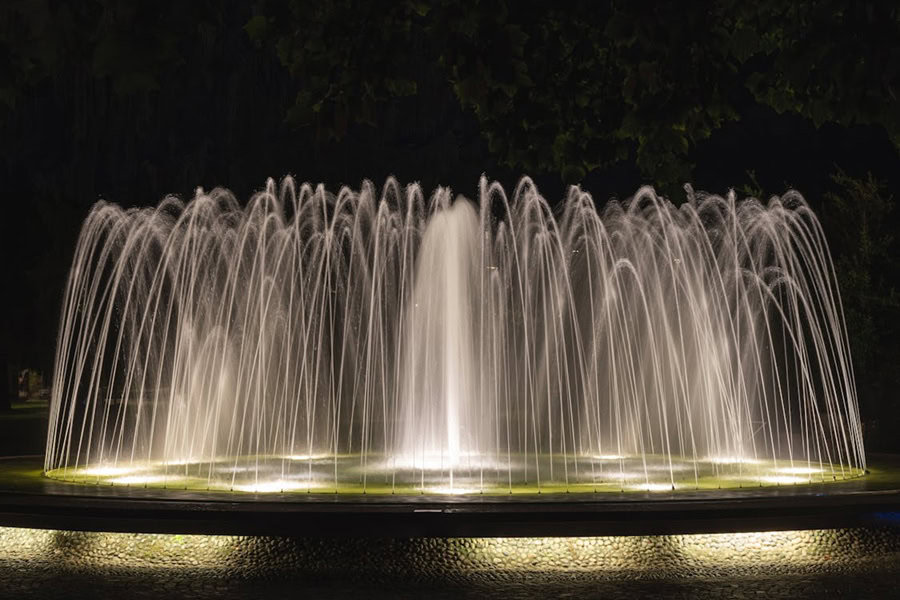
This is where people mess up. They buy based on spray height or price without considering their pond size.
Here’s what actually matters:
- Pond Volume Calculate your pond’s gallons. Length times width times average depth times 7.5. The best fountain pump should cycle your entire pond volume once per hour at minimum if you have a small pond. Twice per hour is better for fish ponds. For large ponds, for example, ¼ to 5-acre ponds, water does not need to be circulated every hour or even every day, unless there is an extreme amount of fish.
- Head Height This means how high the pump needs to push water. Measure from where the surface of the water’s basin is to the top of your fountain spray. Every foot of height requires more pump power. A pump rated for 1000 GPH at 1 foot might only deliver 600 GPH at 4 feet.
- Fountain Diameter Bigger spray patterns need more water volume. A 6-foot diameter spray requires more GPH than a 2-foot spray, maybe double or triple depending on the design. The pump has to supply enough water to maintain the pattern without looking weak or sputtering.
Most manufacturers provide performance curves. These charts show GPH at different heights. Don’t skip reading these. They tell you what the pump actually delivers in real conditions at different heights, not just the maximum rating.
Installation Mistakes That Cost You
People drop the pump in the pond and plug it in. Then wonder why it fails after three months.
The pump needs a stable base. Not sitting in muck where it sucks up debris constantly. Use bricks or a pump platform to elevate it a few inches off the pond bottom. This extends the life of your intake screen and impeller.
Check your electrical setup. The pump needs a GFCI outlet. This isn’t optional. Water and electricity don’t mix well, and a GFCI trips the circuit if there’s a ground fault. Standard outlets put you at risk.
Cord management matters too. The cord should have slack but not sit in the water where fish can damage it. Some people run it through conduit to the edge of the pond. Others use weighted tubing to keep it along the pond bottom. Either way, protect that cord. Sometimes alligators or turtles snap the cable. You might need to consider running the cable through PVC or a shield.
What Kills These Pumps
Debris is the main culprit. Leaves, algae, and sediment clog the intake screen. The pump works harder, heats up, and burns out. Clean that screen weekly during heavy debris seasons. Monthly when things are calmer.
Running the pump dry destroys it almost instantly. We get several calls saying “our pumps are rattling.” Typically, that means that to “test” the pump before installation a customer has plugged it in outside of the water. That rattle means your pump is breaking! Also, if your water level drops too low and not enough water can flow through the intake, the pump overheats within minutes. Set up a float switch if you have evaporation issues or use a pond with unreliable water levels.
Ice damage happens in winter. Water expands when it freezes. If ice forms around your pump, it can crack the housing or damage the impeller. Removing pumps before the first hard freeze is what most people do. Store them in a bucket of water in your garage to keep seals from drying out.
Hard water leaves mineral deposits. Calcium and lime build up on the impeller and inside the pump body. This reduces efficiency over time. You’ll notice weaker spray patterns or strange noises. Vinegar soaks help, but prevention works better. Installing a pre-filter catches a lot of sediment before it reaches the pump.
Winter Decisions
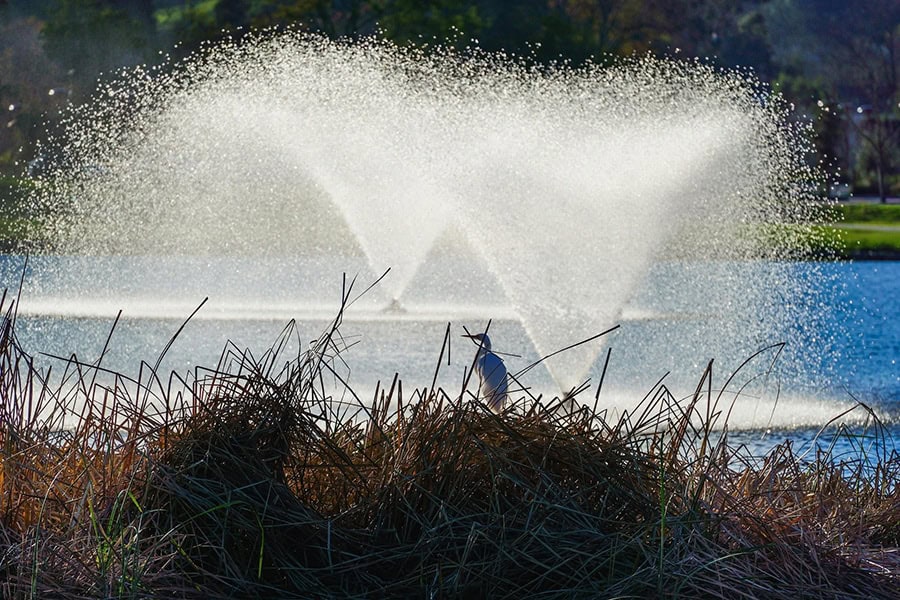
Should you run your pump year-round? It depends.
In mild climates where ice doesn’t form, keeping the pump running prevents stagnation. The water movement stops your pond from becoming a frozen block. Fish need that oxygen circulation even in cold months.
But if you get hard freezes, shut it down. The risk isn’t worth it. Even cold-rated pumps can fail when ice forms around the fountain spray. The spray freezes mid-air, builds up, and damages the pump or fountain head eventually. The exception is Scott fountains, which can be run year-round, even in icy winters.
Some people compromise. They remove the fountain head and run the pump at a lower depth. This keeps circulation going without the freezing spray issue. It works, though you lose the aesthetic appeal until spring.
Maintenance You Can’t Skip
If your pump suddenly loses its flow, pull the pump, open the housing, and rinse everything. The impeller collects hair-thin algae strands that you won’t see until the pump performance drops.
Check the impeller for cracks or chips. These small damages create vibrations that wear down the pump shaft. Replace damaged impellers right away rather than waiting for complete failure.
Inspect the power cord. Look for cracks in the insulation, exposed wires, or damage near the pump connection. Water finds its way into the smallest openings. A damaged cord means replacing the entire pump for most models.
The fountain head needs attention too. Nozzles clog with minerals. Spray patterns become uneven or weak. Soak nozzles in vinegar overnight to dissolve deposits. Replace them if cleaning doesn’t restore the pattern.
Performance Issues and Fixes
Weak spray usually means clogged intake or failing impeller. Clean the intake first since it’s easier. If that doesn’t help, check the impeller for damage or buildup.
Strange noises point to debris in the impeller chamber or worn bearings. Some debris you can remove. Worn bearings mean the pump is dying. You might get a few more months, but start shopping for a replacement.
Inconsistent spray patterns suggest air getting into the system. Check that the pump sits deep enough underwater. The intake needs full submersion even when water levels fluctuate.
Pump running but no water output? The impeller might be jammed or the shaft could be broken. Open the housing and inspect. Sometimes a stick or large piece of debris locks everything up. Other times, the internal damage requires a new pump.
What to Expect Long-Term
Submersible fountain pumps last 3-5 years with proper maintenance, give or take. Cheap models might make it two years. Premium pumps can hit 7-8 years if you’re diligent about cleaning. Also, many premium pumps can be repaired. For example, Kasco has a repair center for rebuilding old pumps.
Performance degrades slowly. You won’t notice the spray getting weaker week to week unless there’s a clog. But compare it to when you first installed the pump, and the difference becomes obvious. This gradual decline makes it hard to know when to replace versus repair.
Making the Choice

Start with your pond needs, not the pump features. How much water do you have? What depth? Do you have fish that need extra oxygen? These questions matter more than LED lights or fancy spray patterns.
Buy slightly more pump than you think you need. It’s easier to throttle down a powerful pump with a flow control valve than to push a weak pump beyond its limits. The extra capacity also compensates for efficiency loss as the pump ages.
Read the warranty terms. Some manufacturers offer 1 year, others give 3 years. The warranty length often reflects build quality. It also determines your risk if the pump fails early.
Your pond deserves better than stagnant water. A good submersible fountain pump fixes that problem while creating something nice to look at. Just don’t rush the decision or skip the maintenance. Ready to restore your pond’s health? Explore high-quality pond systems and get expert guidance to ensure clean, oxygen-rich water year-round.
Frequently Asked Questions
How deep should a submersible fountain pump sit in the pond?
Place it 6-12 inches off the bottom using bricks or a platform. This keeps it above sediment while ensuring full submersion even when water levels drop slightly. The exception is “floating fountains,” in which a pump is suspended by a float.
Can I run my submersible fountain pump 24/7?
Yes, they’re designed for continuous operation. Running them constantly prevents seal damage and keeps your pond water circulated, though you can use a timer to save on electricity costs.
How often do submersible fountain pumps need cleaning?
Clean the intake screen whenever you see a change in flow. You might also need to pull and inspect the impeller.
What size pump do I need for my pond?
Calculate your pond gallons and choose a pump that cycles the volume 1-2 times per hour. A 1000-gallon pond needs at least a 1000 GPH pump, but factor in head height which reduces flow.
Feature Image Source: https://images.pexels.com/photos/546321/fountain-black-white-splash-546321.jpeg